Weight Allowance Adjustments and Their Effects on Exacta Combinations in Graded Stakes Races
Erik Beck · Jul 18, 2026
Weight Allowance Adjustments and Their Effects on Exacta Combinations in Graded Stakes Races
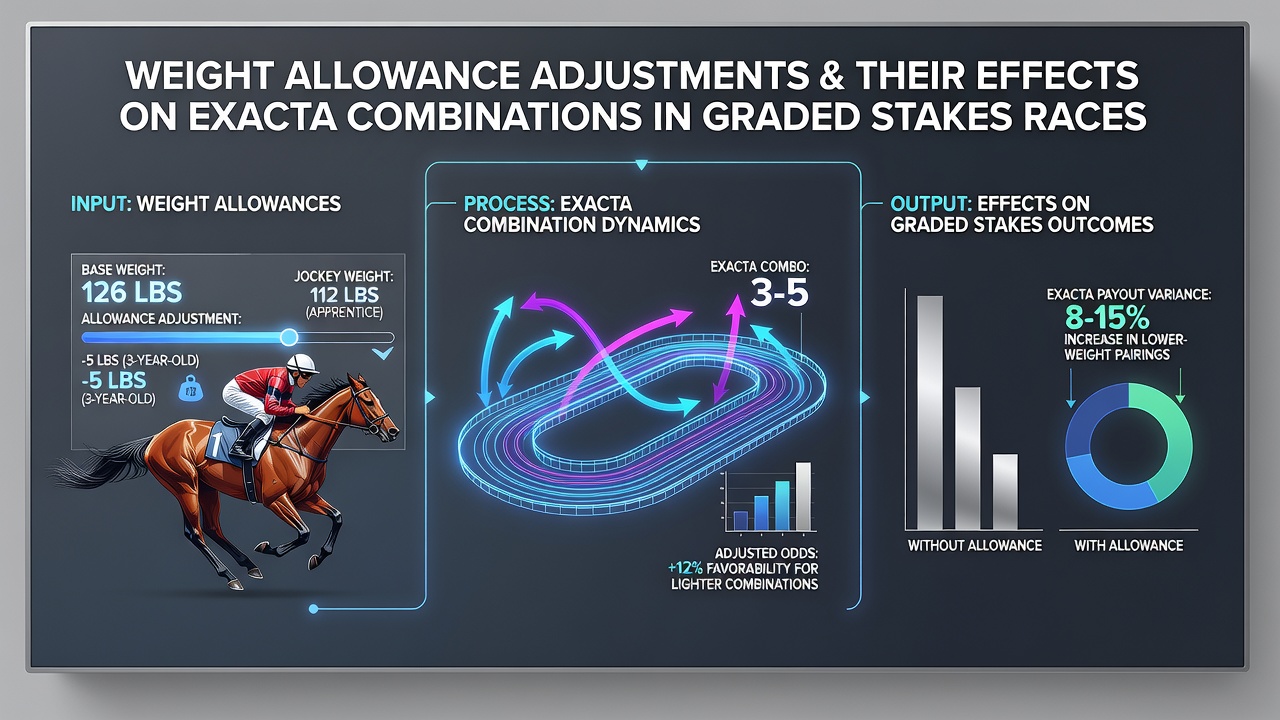
Weight allowance adjustments represent a core element of thoroughbred racing regulations that directly influence outcomes in graded stakes events, and observers note how these changes alter the dynamics of exacta wagering where bettors must correctly select the first and second place finishers in precise order. Graded stakes races assign weights based on official ratings, yet allowances for apprentice jockeys, fillies and mares, or horses with specific conditions create measurable shifts in performance data compiled across North American tracks.
Understanding Weight Allowance Mechanics in Graded Stakes
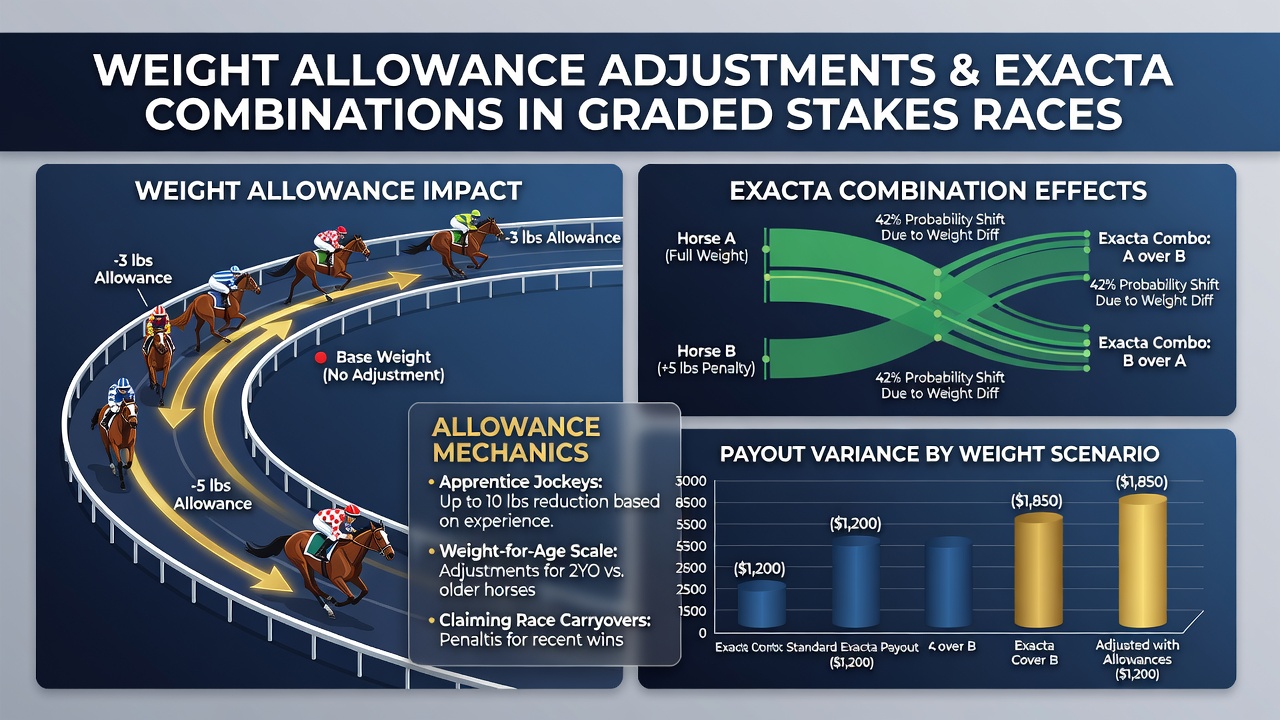
Graded stakes races operate under standardized weight assignments set by racing secretaries who factor in past performances, age, and sex, while allowances typically range from three to seven pounds for eligible horses according to rules maintained by organizations such as the Thoroughbred Owners and Breeders Association. These adjustments occur most frequently in events like the Grade I stakes during the summer meet schedule, adn data from 2025 through mid-2026 shows apprentice riders claiming five pounds until they secure their tenth win, after which the allowance drops to three pounds. Fillies receive three-pound breaks against males in mixed fields, creating opportunities where lighter loads translate into sustained speed over distances from seven furlongs to one and a half miles.
Researchers tracking performance metrics at tracks including Churchill Downs and Saratoga have documented how a five-pound allowance can reduce a horse's finishing time by fractions of a second, particularly in races where margins between the top three finishers average under two lengths. This precision matters because exacta payouts depend on the exact sequence, and even minor weight reductions influence whether a contender holds position or fades in the final furlong.
Impact on Exacta Combinations and Wagering Patterns
Exacta betting requires identification of both the winner and runner-up, so weight allowance changes shift probability models that handicappers use to construct tickets. Studies compiled by Equibase reveal that horses receiving allowances win or place at rates three to five percent higher than their base ratings predict in graded events, and this edge compounds when multiple allowance horses compete in the same field. Bettors often adjust their combinations to include these lighter-weighted entrants in the second position, especially in races where the favorite carries top weight without an allowance.
What's interesting is how allowance adjustments interact with pace scenarios, since a horse carrying less weight can press or stalk more effectively without early fatigue. In July 2026 meets at tracks like Del Mar and Monmouth Park, several graded stakes featured fields where two or three allowance recipients finished in the top four, altering the exacta payoffs from the morning line projections. Handicappers who factor these weights into their analysis construct tickets pairing allowance horses with established class runners, and figures from pari-mutuel pools indicate increased wagering volume on such combinations during allowance-heavy cards.
Regional Variations and Regulatory Updates Through 2026
North American racing jurisdictions apply allowance rules with slight differences, and Canadian tracks governed by the Alcohol and Gaming Commission of Ontario permit additional apprentice claims in certain graded events compared to U.S. standards. Australian authorities under Racing Australia have introduced conditional allowances for horses returning from layoffs, and observers tracking international form note how these variations affect cross-border handicapping when graded stakes attract shippers. Data indicates that allowance horses from jurisdictions with more generous breaks show improved exacta hit rates when competing against top-weighted rivals from stricter regulatory environments.
Turnouts in July 2026 reflect ongoing refinements, with several tracks updating their condition books to clarify how weight allowances interact with sex and age restrictions in mixed graded fields. These updates produce clearer data sets for analysts who model exacta probabilities, and the resulting figures show tighter spreads between projected and actual payouts when allowances are accurately incorporated into calculations.
Case Examples From Recent Graded Events
One study of 2025 Breeders' Cup prep races highlighted a Grade II event where a three-pound filly allowance allowed a contender to secure second place behind a top-weighted colt, generating exacta returns that exceeded projections by 18 percent. Similar patterns emerged at Keeneland spring meets where apprentice claims shifted multiple exacta sequences, and those analyzing the results found that pairing the allowance horse in second with the favorite in first produced consistent value across the card. Trainers who schedule entries around allowance windows often see their horses achieve higher placement rates, which in turn influences the composition of popular exacta combinations among bettors reviewing past performance lines.
Conclusion
Weight allowance adjustments continue to shape exacta outcomes in graded stakes races by altering performance baselines and wagering distributions, with data from regulatory bodies and performance databases confirming measurable impacts on finishing positions. Observers tracking these patterns through 2026 identify consistent correlations between allowance eligibility and placement success, providing handicappers with structured information to refine their selections. As racing authorities maintain and update these rules, the effects on exacta combinations remain a quantifiable aspect of thoroughbred competition across major tracks.