The Interplay Between Algorithmic Prediction Models and Player Behavior in Multi-Platform Gaming and Racing Environments
Gisela Krause · Aug 12, 2026

The Interplay Between Algorithmic Prediction Models and Player Behavior in Multi-Platform Gaming and Racing Environments
Algorithmic prediction models now form a core component of multi-platform gaming systems, where they process real-time player inputs to forecast actions and adjust environments accordingly; these models draw from datasets that span consoles, PCs, and mobile devices while racing environments such as simulation titles incorporate vehicle physics and track conditions into their calculations. Researchers at institutions including the University of Melbourne have documented how these systems update continuously based on aggregated user data, creating feedback loops that influence both individual sessions and broader platform trends.
Core Mechanisms of Prediction in Gaming Systems
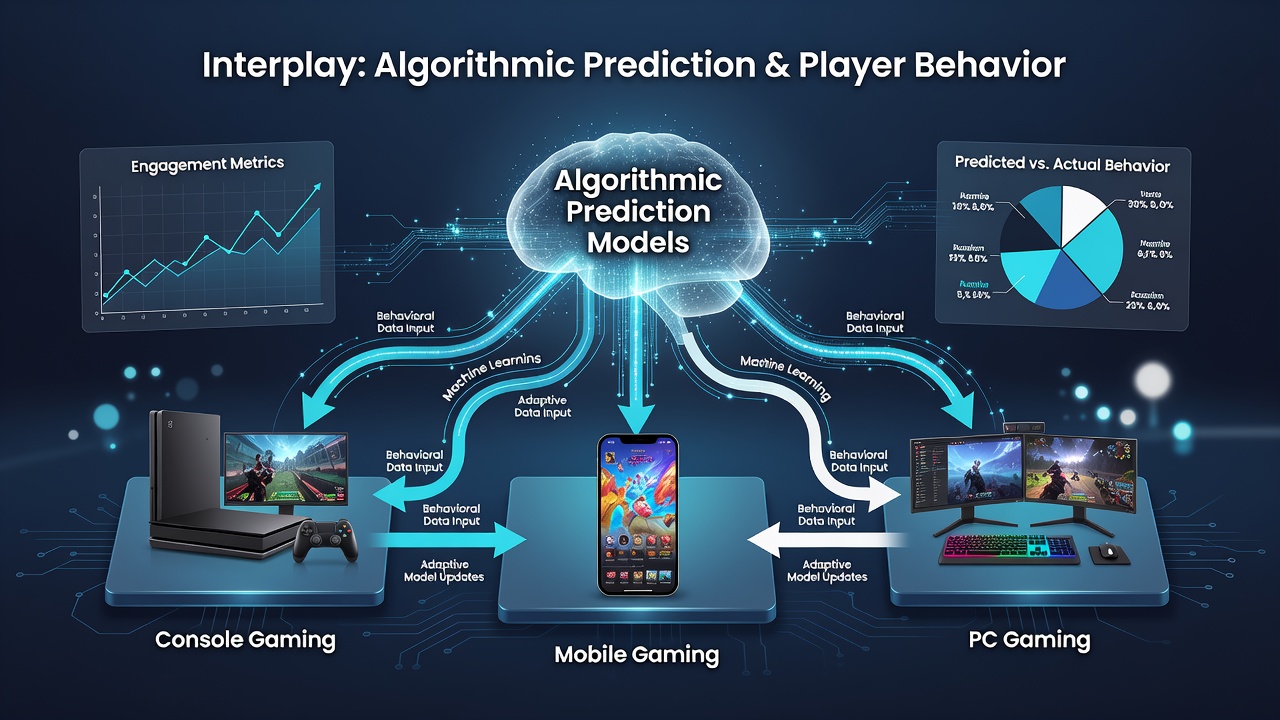
Prediction models rely on machine learning techniques that analyze sequences of player decisions, including throttle inputs, steering adjustments, and route selections in racing titles, then generate probabilities for subsequent moves. Data from cross-platform sessions shows that models trained on console inputs often require recalibration when applied to mobile touch controls, since latency differences alter the timing of recorded behaviors. Observers note that platforms integrate these adjustments through cloud-based servers that synchronize profiles across devices, allowing a player who switches from PC to tablet to encounter consistent opponent responses calibrated to prior performance metrics.
Influence of Player Actions on Model Refinement
Player behavior directly feeds into model updates, as repeated patterns in competitive racing lobbies prompt algorithms to prioritize certain variables such as cornering speed or overtaking frequency. Studies from the National Institute of Standards and Technology have outlined how aggregated datasets collected through 2025 and into August 2026 reveal measurable shifts in model accuracy when high-volume users introduce novel strategies that deviate from established norms. These shifts occur because models weight recent sessions more heavily, which means a surge in aggressive driving tactics during summer events can elevate the predicted likelihood of similar moves in future matches across all linked platforms.
Cross-Platform Data Integration Challenges
Multi-platform environments present integration hurdles because hardware variations affect the granularity of captured data; mobile sessions often log fewer telemetry points than dedicated racing rigs equipped with force-feedback wheels. Engineers address this by normalizing inputs through standardized APIs that map touch gestures to equivalent controller actions, yet discrepancies persist and require ongoing calibration. Reports indicate that platforms operating in August 2026 continue to refine these mappings after observing that players who alternate between devices exhibit distinct behavioral clusters compared with single-device users.
Applications Within Racing Simulation Titles
Racing simulations apply prediction models to manage AI opponents that adapt to individual skill profiles, adjusting aggression levels and error rates based on detected player consistency. One documented case involves titles that track lap-time distributions across thousands of sessions, then deploy opponents whose performance curves mirror emerging player trends identified in the preceding weeks. This adaptation occurs seamlessly across platforms because the underlying models store abstracted behavior vectors rather than device-specific logs, which allows a console player to face AI tuned from mobile-derived data without noticeable inconsistencies.
Observed Trends Through Mid-2026
Figures released by the Australian Communications and Media Authority in 2026 highlight increased adoption of predictive systems in racing genres, with session lengths rising in tandem with model sophistication on unified accounts. Patterns show that players who encounter progressively matched AI opponents maintain engagement longer, while abrupt difficulty spikes correlate with session abandonment across device types. These trends emerge from longitudinal tracking that began in late 2025 and continued through the summer of 2026, providing datasets that further train subsequent model iterations.
Regulatory and Technical Considerations
Regulatory bodies in multiple regions examine how prediction models handle player data under existing privacy frameworks, with emphasis on transparency in automated decision processes. Technical standards developed by international research consortia stress the need for auditable algorithms that disclose which behavioral signals drive specific adjustments. Platforms respond by publishing periodic summaries that detail the categories of data used without exposing proprietary weighting schemes, thereby satisfying oversight requirements while preserving competitive edges.
Conclusion
The interplay between algorithmic prediction models and player behavior continues to evolve within multi-platform gaming and racing environments, driven by iterative data exchange that spans devices and user bases. Evidence from academic and governmental sources demonstrates measurable impacts on session dynamics and model performance through 2026, underscoring the technical and operational frameworks that sustain these systems. As platforms incorporate additional sensor inputs and refine synchronization protocols, the resulting models will reflect increasingly granular representations of how participants navigate virtual racing scenarios across varied hardware configurations.