Shifts in Mobile Payment Integrations Reshaping Access to Pari-Mutuel Pools Alongside Virtual Card Tables
Eden Wagner · Jun 8, 2026
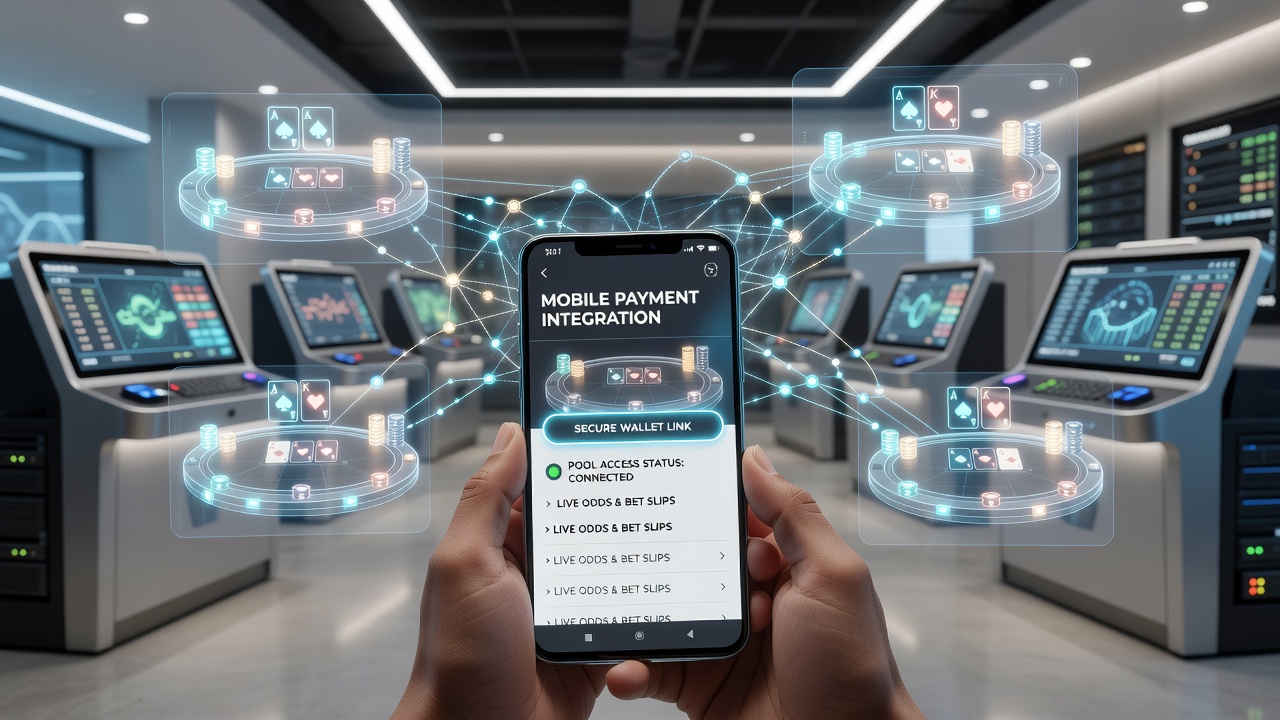
Shifts in Mobile Payment Integrations Reshaping Access to Pari-Mutuel Pools Alongside Virtual Card Tables
Digital wallets and instant bank transfers have expanded how bettors reach pari-mutuel systems that pool wagers on horse races while also opening direct pathways into virtual card tables that simulate blackjack, poker, and baccarat. As of June 2026 these integrations appear in platforms across multiple jurisdictions, where operators link mobile apps to real-time settlement networks that reduce delays between deposit and wager placement.
Mobile Payment Evolution in Regulated Markets
Payment processors now embed APIs that connect directly to state-licensed pari-mutuel hubs in the United States and provincial systems in Canada, allowing users to fund accounts through methods such as Apple Pay, Google Pay, and regional instant transfer services. Data from industry reports shows transaction completion times dropping below three seconds in several deployments, compared with earlier batch processing that often required minutes. Observers note that these changes coincide with regulatory updates permitting operators to accept a broader range of digital instruments without additional licensing layers in select markets.
Virtual card tables benefit from the same infrastructure because software providers route both pari-mutuel and table-game traffic through unified ledgers, which simplifies compliance checks and reduces reconciliation errors. Figures released by the American Gaming Association indicate that mobile-initiated table-game sessions rose 27 percent year-over-year through the first half of 2026, while pari-mutuel handle via mobile channels grew 19 percent during the same period.
Impact on Pari-Mutuel Pool Participation
Pari-mutuel operators have integrated geofencing and identity-verification layers into mobile payment flows, enabling bettors located within approved zones to join pools without switching between separate banking and wagering applications. This consolidation means a single authentication step can unlock both live odds displays and instant deposit options, which data from Canadian provincial reports links to higher repeat participation rates among users who previously abandoned carts during multi-step funding processes.
Take one implementation in a Midwestern U.S. state where the racing commission partnered with a national payment network to embed QR-code scanning that launches a secure transfer straight into the pool account. Bettors scan once, confirm the amount, and see their stake reflected in the tote board within seconds, a workflow that replaced earlier ACH transfers that cleared after the race had started.
Virtual Card Tables and Unified Access Layers
Virtual card tables hosted on the same platforms now share the same payment rails, allowing users to move funds between horse-race pools and digital table sessions without withdrawing to an external bank first. Software providers achieve this through tokenization that masks account details while preserving audit trails required by gaming authorities. Research compiled by the Responsible Gambling Council in Ontario records that players who access both product types within one app maintain average session lengths 14 percent longer than those limited to single-product interfaces.
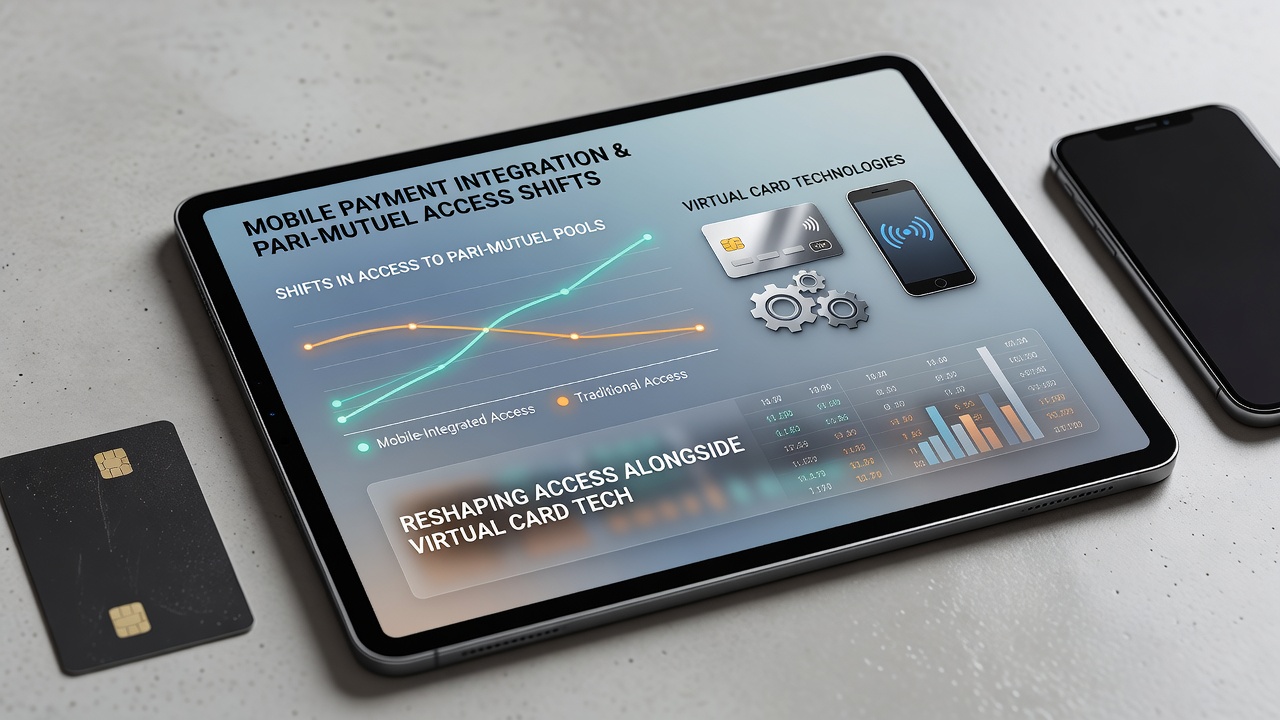
Payment-method restrictions still vary by jurisdiction, yet several operators have rolled out region-specific toggles that automatically surface only approved options, such as local e-wallets in Australia or prepaid cards in certain European markets. These adjustments reduce declined transactions and support compliance with cross-border licensing compacts that took effect in early 2026.
Regulatory and Security Developments
Regulators in multiple regions now require payment processors to maintain separate ledgers for pari-mutuel versus table-game activity, even when the funding source remains identical. This separation supports taxation calculations and responsible-gaming interventions that can apply different limits to each product category. Security protocols include end-to-end encryption plus device-fingerprinting that flags attempts to bypass location checks, measures that have lowered fraud rates according to aggregated statistics shared by the European Gaming and Betting Association.
One documented case involved a platform that introduced biometric confirmation for transfers above a set threshold, resulting in a measurable decline in chargeback requests over a three-month monitoring window. Such features integrate with existing mobile operating-system security frameworks rather than requiring users to install additional verification apps.
Future Integration Patterns
Industry analysts project continued convergence of payment rails as more jurisdictions adopt standardized APIs that permit seamless movement between pari-mutuel pools and virtual card environments. Pilot programs testing central-bank digital currencies have begun in selected test markets, although widespread deployment remains subject to further legislative review. Operators continue to refine user interfaces so that switching between product types requires minimal additional steps, a direction supported by usage metrics collected through June 2026.
Conclusion
Mobile payment integrations continue to alter entry points for both pari-mutuel wagering and virtual card play by shortening funding times, unifying authentication, and aligning with evolving regulatory frameworks. These technical shifts produce measurable changes in participation patterns and transaction security across licensed markets, developments tracked through government reports and industry associations that document ongoing adaptation rather than static outcomes.