Mapping the Growth of Hybrid Betting Platforms Combining Equine Racing Odds with Digital Card Game Features
Amir Simon · Jun 20, 2026

Mapping the Growth of Hybrid Betting Platforms Combining Equine Racing Odds with Digital Card Game Features
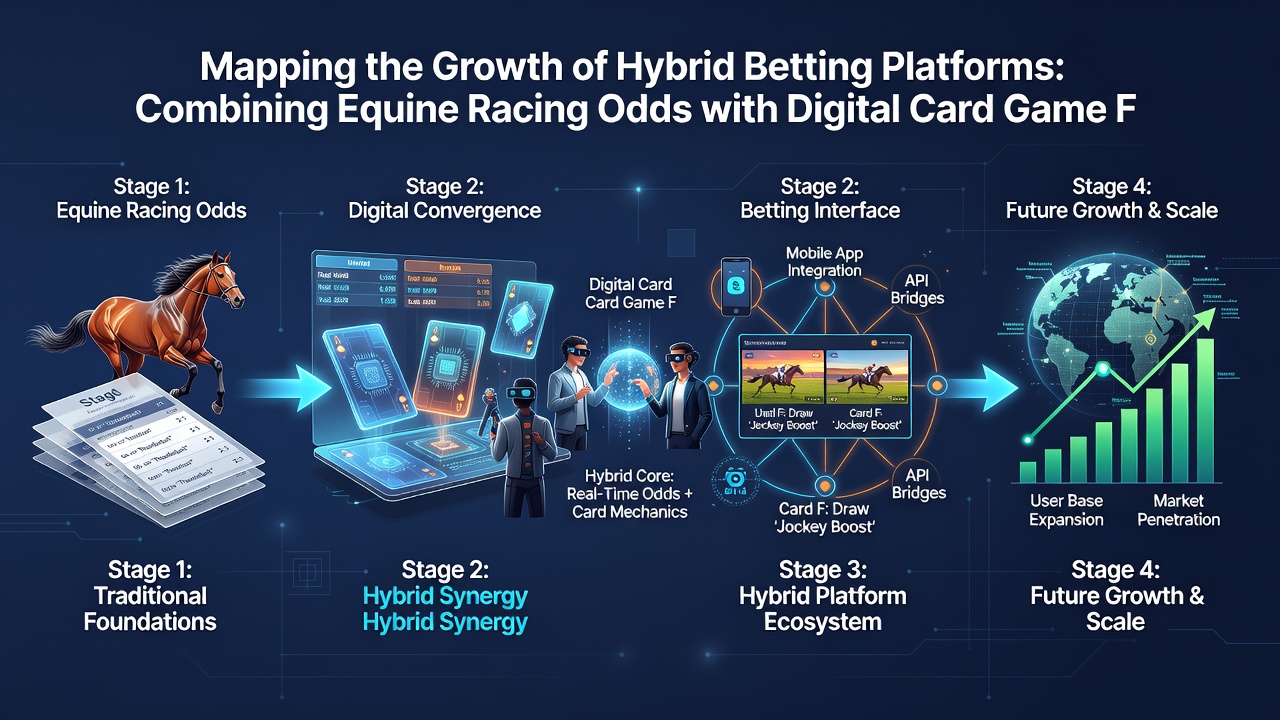
Hybrid betting platforms have expanded steadily by merging live equine racing odds with digital card game mechanics, and this integration creates unified interfaces where users access both horse race wagering and card-based activities within single accounts. Observers note that these systems allow seamless transitions between viewing race data, placing wagers on thoroughbred events, and participating in poker or blackjack variants, while operators report increased session durations across multiple regions through June 2026.
Market Expansion Patterns
Data from industry reports indicates that hybrid models grew in adoption as operators sought to combine parimutuel horse racing pools with RNG-driven card tables, and figures reveal that total handle on these combined platforms rose in key markets including parts of North America and Europe. Researchers at academic institutions tracking iGaming trends have documented how platforms integrate real-time odds feeds from race tracks with card game lobbies, which permits users to monitor Churchill Downs events while entering multi-table tournaments without switching applications.
According to statistics compiled by the American Gaming Association, states with expanded online wagering saw hybrid offerings contribute to overall revenue increases, yet the growth stems from technical linkages rather than isolated product launches. What's interesting is how developers embed shared wallet systems and loyalty programs that reward activity across both racing and card segments, and this approach maintains user retention through unified bonus structures.
Technological Integration Methods
Engineers build these platforms using APIs that pull equine racing data directly into card game dashboards, and this setup enables features such as in-race prop bets that trigger card game side challenges. Software providers deliver white-label solutions where horse racing odds appear alongside digital poker tables, while backend systems handle simultaneous transaction processing for both verticals. Observers note that cloud-based architectures support the high-volume data streams required during major race meetings, which coincide with peak card game traffic periods.
Regulatory Developments Across Regions
Regulatory bodies in multiple jurisdictions have updated licensing frameworks to address hybrid products, and authorities in Ontario alongside the Malta Gaming Authority issued guidance documents clarifying how combined racing and card offerings fit within existing iGaming statutes. Those frameworks require operators to separate certain risk controls for pari-mutuel pools from RNG card game fairness certifications, yet they permit single-platform deployment when compliance standards align. Data from the European Gaming and Betting Association shows that cross-border operators expanded hybrid licenses during early 2026, which reflects coordinated efforts among regulators to standardize technical audits for integrated systems.
Platforms operating in Australia and parts of Asia adopted similar compliance layers, and this consistency supports international user bases who move between racing calendars and card tournaments. Experts observe that licensing applications now routinely include demonstrations of unified responsible gambling tools that apply across both equine and card verticals, which reduces duplication in player protection measures.
User Behavior and Platform Features
Analytics from deployed platforms indicate that users frequently alternate between placing equine wagers and entering card game rounds during the same session, and this pattern holds particularly during evening hours when race schedules overlap with tournament starts. Developers incorporate live streaming of horse races directly into card table interfaces, which allows participants to track outcomes while maintaining focus on hand rankings or betting rounds. Loyalty mechanics often award points redeemable in either format, and this flexibility encourages broader engagement without forcing migration between separate sites.
Case examples include operators who launched mobile-first hybrids that sync account balances instantly across racing odds and card game modules, while backend reporting tools provide operators with segmented performance metrics for each vertical. Those who've analyzed session logs find that hybrid users complete more transactions per visit compared with single-vertical participants, although the exact drivers vary by market demographics.
Conclusion
Hybrid betting platforms that combine equine racing odds with digital card game features continue to scale through integrated technology stacks and aligned regulatory approaches, and this trajectory appears set to persist as operators refine shared infrastructure. Market data through June 2026 underscores measurable adoption across licensed regions, while technical and compliance advancements support further expansion without compromising established standards in either racing or card gaming sectors.