Mapping Technological Integrations Between Virtual Racing Simulations and Licensed Table Game Platforms Across Evolving State Compacts
Eden Wagner · Jul 6, 2026
Mapping Technological Integrations Between Virtual Racing Simulations and Licensed Table Game Platforms Across Evolving State Compacts
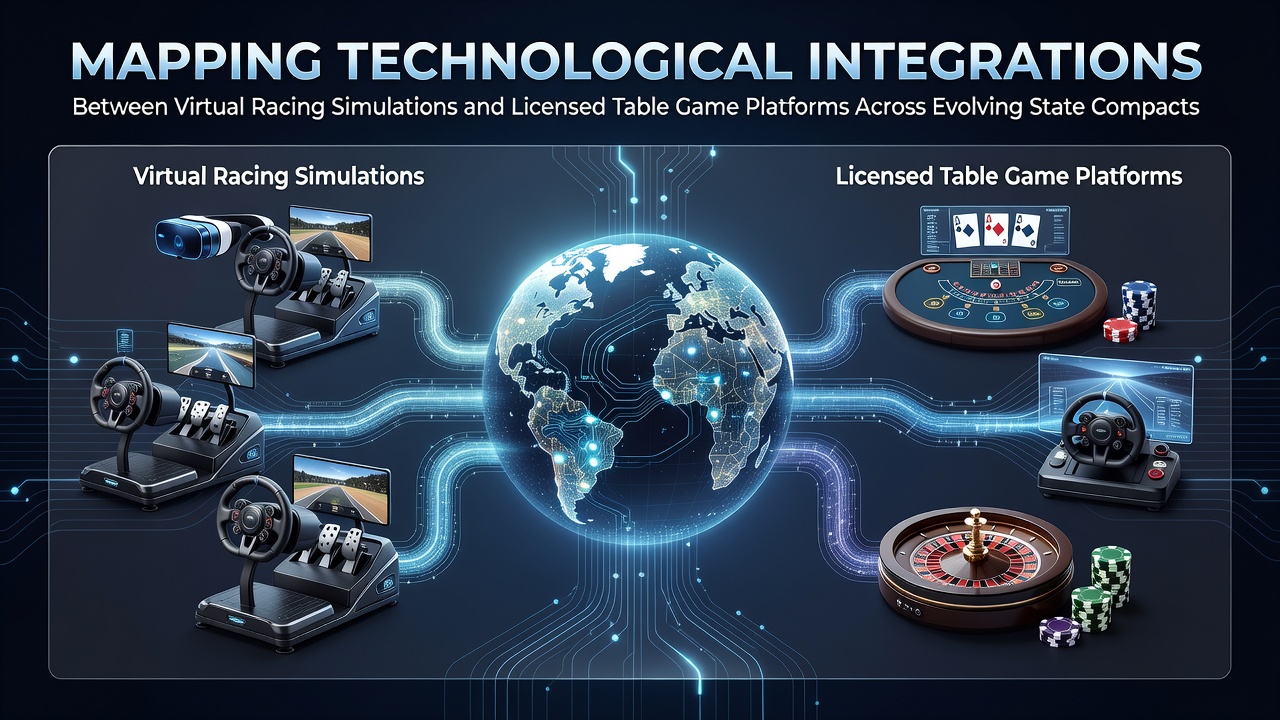
Virtual racing simulations now connect directly with licensed table game platforms through shared application programming interfaces that synchronize real-time data streams, random number generators, and user authentication protocols while state compacts continue to reshape licensing boundaries. These integrations allow operators to embed simulated horse or greyhound races alongside blackjack, roulette, and poker modules on single dashboards, and the connections rely on standardized protocols that comply with varying jurisdictional requirements across multiple regions.
Core Technology Layers Driving Platform Mergers
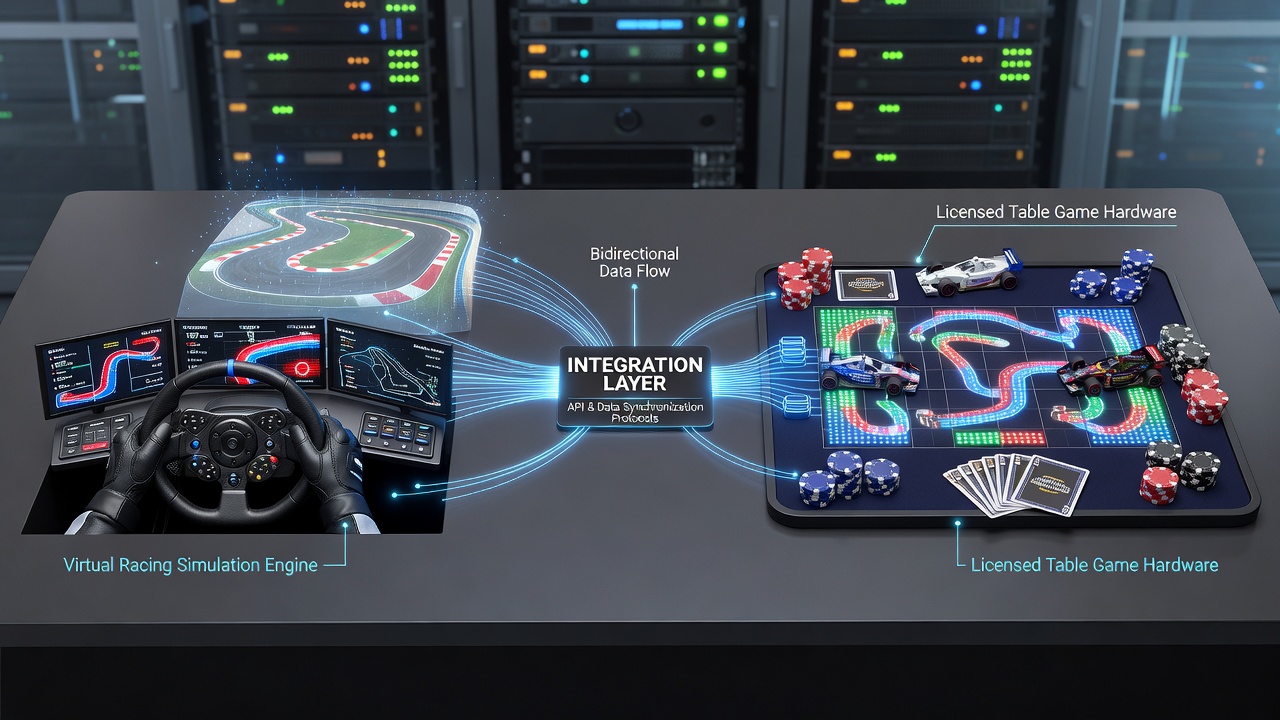
Developers deploy middleware layers that translate racing simulation outputs into table game formats, which means a virtual track event can trigger bonus rounds in poker rooms or feed live odds into roulette wheels. Cloud-based servers host these hybrid environments, and data from one module updates the other instantaneously without requiring separate logins or wallet transfers. Research from industry analysts shows that such architectures reduce latency to under 200 milliseconds in most commercial deployments, which keeps gameplay synchronized across devices.
Blockchain elements appear in several implementations to record transaction histories and verify outcome integrity, while operators in states with updated compacts use these ledgers to demonstrate compliance during audits. The approach differs from earlier siloed systems because it permits cross-promotion where table game players receive credits for virtual races and vice versa, all within the same licensed ecosystem.
State Compact Evolution and Licensing Adjustments
State compacts signed or amended through mid-2026 have expanded definitions of permissible gaming products to include integrated virtual and table offerings. Negotiations between tribal authorities and state regulators now address technical standards for RNG certification and data security that apply uniformly to both racing simulations and card-based games. In several jurisdictions, these updates took effect around July 2026 after legislative sessions concluded, allowing operators to launch unified platforms without obtaining separate approvals for each product type.
According to reports from the American Gaming Association, compact language increasingly references API interoperability requirements, which streamlines approval processes for vendors supplying both simulation engines and table game software. Observers note that states with mature iGaming frameworks have moved faster on these provisions than those still building initial regulatory structures, creating a patchwork where some markets enable full integration while others maintain product separation.
Implementation Examples Across Jurisdictions
Operators in Nevada and New Jersey have tested combined environments where virtual race results influence table game multipliers, and similar pilots appeared in Michigan following compact revisions earlier in 2026. These deployments use geofencing tied to state boundaries to enforce compact terms, preventing cross-state access while permitting seamless navigation between race and table sections inside approved areas.
Canadian provincial regulators, including those in Ontario, have examined comparable models through their own licensing regimes, and Australian authorities have referenced parallel technical guidelines in recent industry consultations. Data shared by the National Council on Problem Gambling indicates that integrated platforms require enhanced responsible gaming tools such as unified session timers and spending caps that span both racing and table modules, which several states incorporated into their 2026 compact amendments.
Data Flows and Security Protocols
Real-time feeds from racing simulations supply variable inputs that table game engines incorporate for side bets or progressive jackpots, and encryption standards mandated by compacts protect these transmissions. Independent testing laboratories certify both the simulation physics models and the table game probability engines under unified audit frameworks, which reduces duplication of compliance work for operators. Figures from regulatory filings reveal that platforms adopting these integrations report 15 to 25 percent higher average session durations compared with standalone products in the same markets.
Multi-factor authentication systems now extend across both product categories so that a single player account maintains consistent identity verification whether the user engages with virtual races or table games. Cybersecurity measures include continuous monitoring of API endpoints, and state regulators require breach notification timelines that apply equally to any component within the integrated system.
Future Mapping of Integration Pathways
Emerging standards from standards organizations focus on modular architecture that lets new racing simulations plug into existing table game platforms without full recertification, provided core RNG and payout logic remain unchanged. Several vendors have released software development kits that support these plug-and-play connections, and early adopters in states with recently updated compacts have begun deploying them. The trajectory points toward greater use of augmented reality overlays that merge virtual track visuals with live dealer table feeds on the same screen.
Conclusion
Technological integrations between virtual racing simulations and licensed table game platforms continue to align with the terms of evolving state compacts, producing unified systems that handle data exchange, compliance verification, and player account management through shared infrastructure. As of July 2026, multiple jurisdictions have incorporated technical specifications for these connections into their regulatory frameworks, and operators have rolled out compliant products in several markets. The pattern shows steady expansion of API-driven linkages and cross-product features while maintaining jurisdictional boundaries through geofencing and audit requirements.