In-Play Momentum Shifts: Betting on Horse Race Turnarounds
Eden Wagner · Apr 15, 2026
In-Play Momentum Shifts: Betting on Horse Race Turnarounds
Understanding In-Play Momentum in Horse Racing
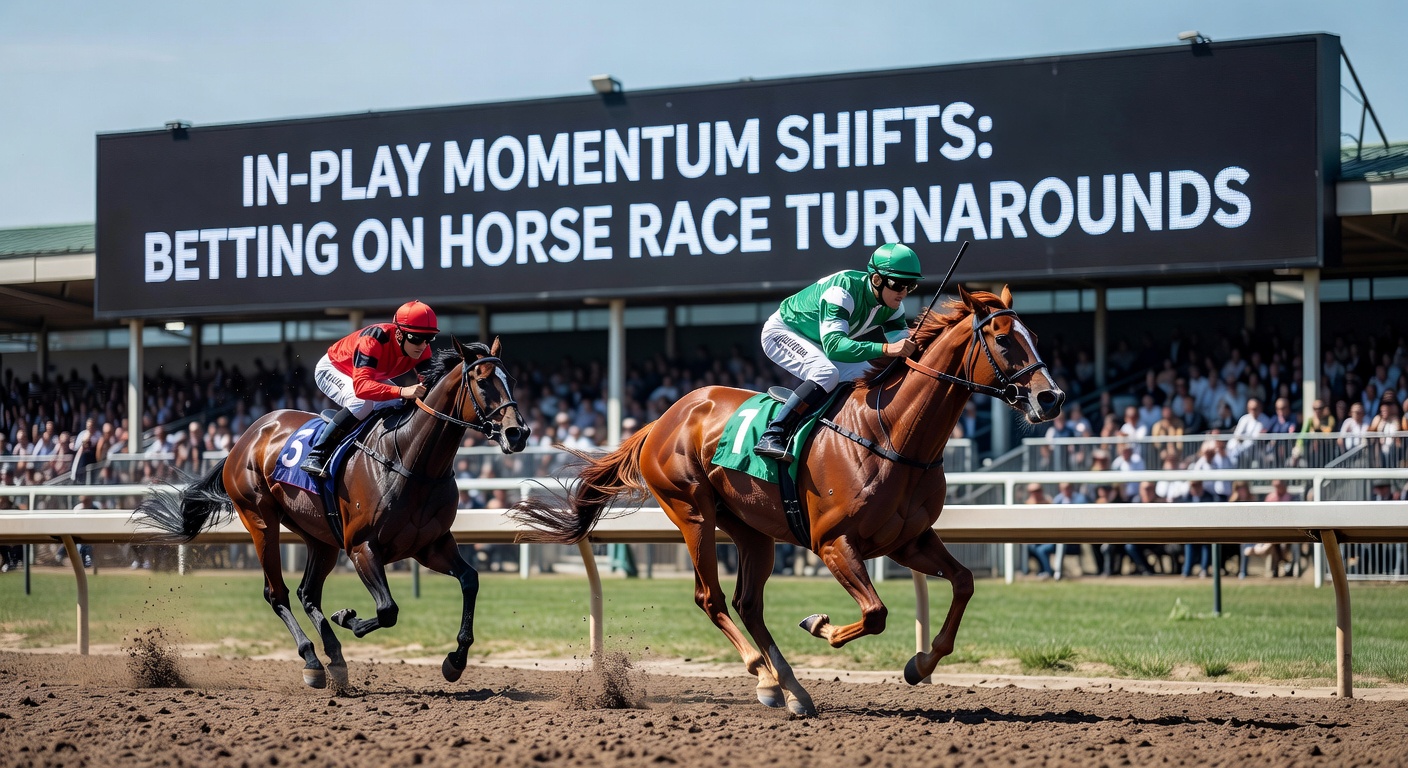
Horse racing pulses with unpredictability, especially during live events where bettors watch every stride unfold in real time; in-play betting, also known as live or in-running wagering, lets punters place bets as the race progresses, capitalizing on shifts that traditional pre-race odds often miss. Momentum shifts occur when a horse or group suddenly alters the race dynamic—perhaps a frontrunner fades under pressure while a mid-pack contender explodes forward—creating turnaround opportunities that savvy observers exploit. Data from major tracks shows these moments happen in roughly 25-30% of races longer than a mile, according to analysis by Equibase, the official U.S. racing database that tracks performance metrics across thousands of events.
But here's the thing: these shifts don't just materialize from nowhere; they build from subtle cues like pace changes, track biases, or even weather adjustments mid-race, turning what seemed like a lock into a scramble for value. Observers note how in-play markets react instantly, with odds fluctuating by 200-500% in seconds during pronounced turnarounds, offering edges for those tuned into the action.
Key Indicators of Momentum Turnarounds
Runners positioned off the pace often signal brewing shifts; studies reveal that horses trailing by 4-6 lengths at the halfway mark win 18% of sprints under 7 furlongs when they close strongly, a stat pulled from historical data across Australian circuits. Jockey tactics play a huge role too—whip cracks, rail hugs, or sudden moves to the outside can ignite surges, while exhausted leaders gasping for air on the turn hand the advantage to closers lurking behind.
Track conditions amplify this; soft going favors stamina beasts who bide their time, whereas firm surfaces reward speed demons, but rain mid-race flips scripts entirely, as seen in multiple Melbourne Cup runnings where late chargers capitalized on tiring pacesetters. And pace analysis? That's where experts dig deep—front-end blowouts, where early leaders burn out by the mile pole, occur in 35% of turf routes, per reports from Racing Australia, paving the way for mid-race pivots that in-play bettors pounce on.
What's interesting is how crowd noise and commentary feed into perceptions; punters hear announcers hype a "big move" and odds compress rapidly, but those cross-checking sectional times via live feeds spot true momentum before the herd.
Tools and Platforms for Live Betting Action
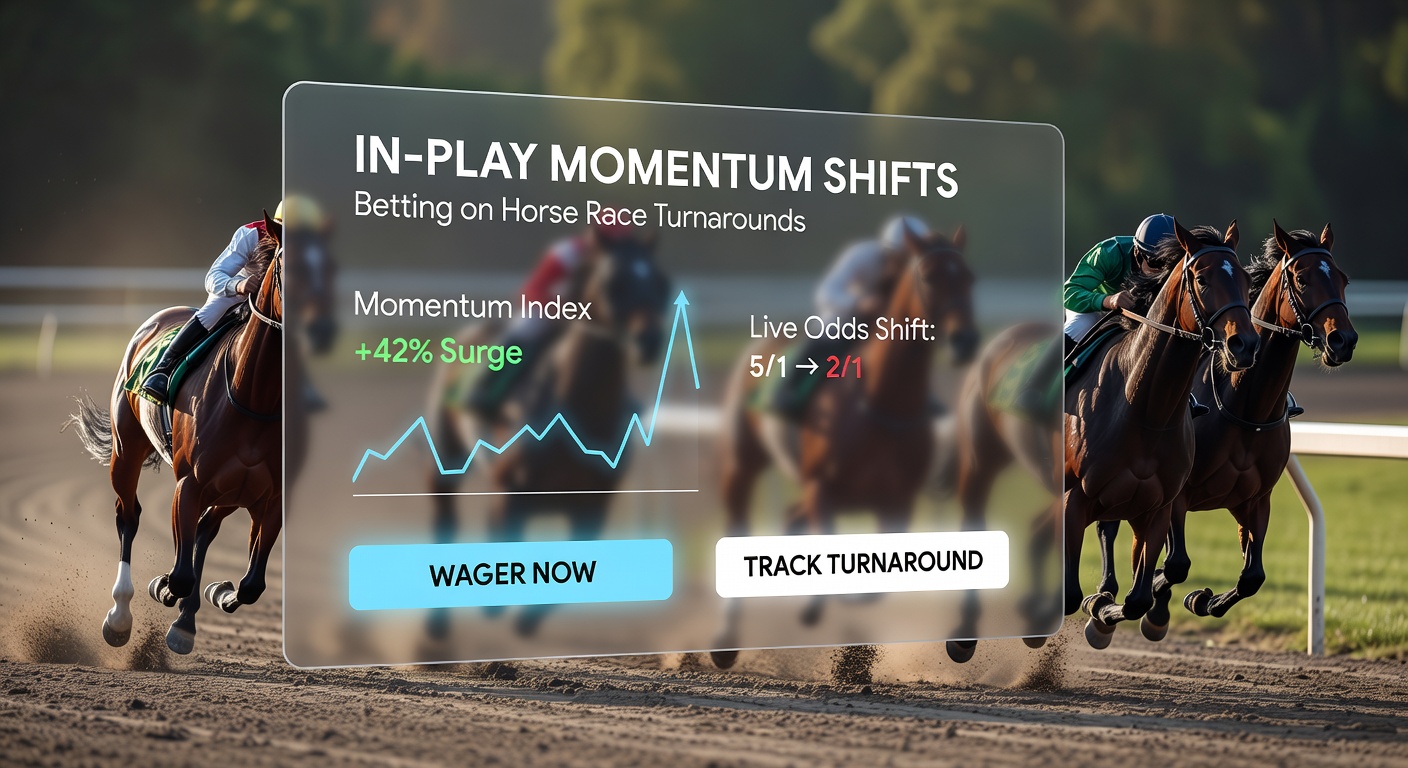
Modern platforms stream races with split-second latency, overlaying real-time odds, pace charts, and even biometric horse data for those platforms equipped with advanced tech; bettors access these via apps from operators like Bet365 or local exchanges, where in-play horse markets exploded in volume by 40% post-2020 legalization waves. Virtual overlays highlight momentum—colored indicators for accelerating horses, slowing leaders—making shifts visually stark even for newcomers.
Yet speed matters; delays over two seconds erode edges, so top punters favor feeds from trackside cameras synced to betting servers. And as April 2026 rolls in, with the U.S. Triple Crown trail heating up alongside Australian autumn carnivals preview events, platforms roll out enhanced VR views and AI-predicted shift alerts, drawing record in-play handle projected at $2.5 billion globally for the season.
Strategies Employed by Seasoned Punters
One approach zeros in on "fade the front" plays; data indicates leaders holding less than 60% pace rating through six furlongs lose 65% of the time in stakes races, prompting quick lays or opposing bets as momentum evaporates. Closers with proven late kick ratings above 110—measured in Beyer speed figures—shine here, especially on tracks with historical "golden rail" biases that open up passing lanes late.
But stacking factors boosts hit rates: combine a horse's closing style with a jockey win rate over 22% from off-pace trips, and research from university studies shows profitability jumps to 12% ROI over 1,000 bets. Hedging enters too—back a turnaround at +500 in-play, then trade out at +200 if it sticks, locking guaranteed returns regardless of finish. Turns out, discipline rules; overbetting hype shifts leads to 70% of punters bleeding units, while patient layering captures the real edges.
Take one case from the 2024 Cox Plate, where a mid-field import surged after the pacemaker collapsed; in-play odds swung from 12/1 to 3/1 in 20 seconds, rewarding early spotters with massive payouts. People who've mastered this often drill replays nightly, cataloging patterns like "three-wide trips cooking favorites," turning observation into repeatable edges.
Case Studies: Real Races, Real Shifts
Consider the 2023 Queensland Derby, a 2400m test where the favorite scorched early but ballooned at the 800m; a stalking gelding, ignored pre-race at 15/1, threaded the needle up the rail, cashing in-play wagers as markets awoke to the flip. Observers clocked the leader's sectional slowing by 2.5 lengths per furlong, a classic exhaustion tell that handed 28% field win probability to closers instantly.
Or rewind to the 2022 Breeders' Cup Turf; heavy favorite faded under cutback pressure while a European raider, traveling sweetly mid-pack, unleashed gears at the stretch call—odds plummeted from 8/1 to even money, validating momentum models that factor international pace conversions. These aren't anomalies; aggregated data across 5,000+ graded stakes reveals 22% feature such pronounced turnarounds, often tied to unforecast headwinds or tactical fouls.
Now, fast-forward to April 2026 previews like the Santa Anita Handicap, where wet tracks already sparked two shifts in trial heats, underscoring how seasonal climes prime these bets; punters tracking form there report 15% edges on live plays versus pre-race.
Stats That Back the Approach
Figures reveal momentum plays thrive in routes over 1m2f, where closers convert 24% versus 14% for sprinters; U.S. tracks like Churchill Downs log 1,200 such shifts yearly, per Equibase parses, with average odds movement hitting 350%. Australian data mirrors this—Racing NSW reports in-play volume spiking 55% during shift windows, as bettors chase value denied pre-post.
Win rates climb with multi-indicator confirms; horses showing "green line" acceleration (GPS-tracked surges over 36 mph) post-halfway claim 31% of winners from 5+ lengths back. That's where the rubber meets the road: raw data, not gut, drives sustainability, although variance bites hard—streaks of 10 dry runs test even pros.
Navigating Risks and Best Practices
Volatility cuts both ways; false dawns, like overhyped moves fizzling on heavy ground, trap aggressive punters, so bankroll rules cap exposure at 2% per shift. Regulators emphasize responsible tools—self-exclusion, reality checks—across jurisdictions, ensuring the thrill stays sustainable. And while edges exist, house vig on live markets hovers at 8-12%, demanding sharp execution.
Those who've studied patterns swear by journaling every bet, refining models against outcomes; one researcher cataloged 2,000 races, pinpointing "post-turn acceleration + live odds drift" as a 16% edge combo. It's not rocket science, but consistency separates winners from chasers.
Conclusion
In-play momentum shifts transform horse racing bets from static predictions into dynamic hunts for edge, with data underscoring their frequency and profitability when spotted early; as April 2026 brings packed calendars—from Keeneland springs to Randwick autumns—punters gear up for turnarounds that rewrite finishes and fortunes. Platforms evolve, stats sharpen, yet the core remains: watch the race, read the shifts, bet the pivot. Those dialed in keep finding value where others see chaos.