How Emerging Technologies Shape the Blend of Sports Wagering and Live Dealer Games in Racing Jurisdictions
Erik Beck · Aug 17, 2026
How Emerging Technologies Shape the Blend of Sports Wagering and Live Dealer Games in Racing Jurisdictions
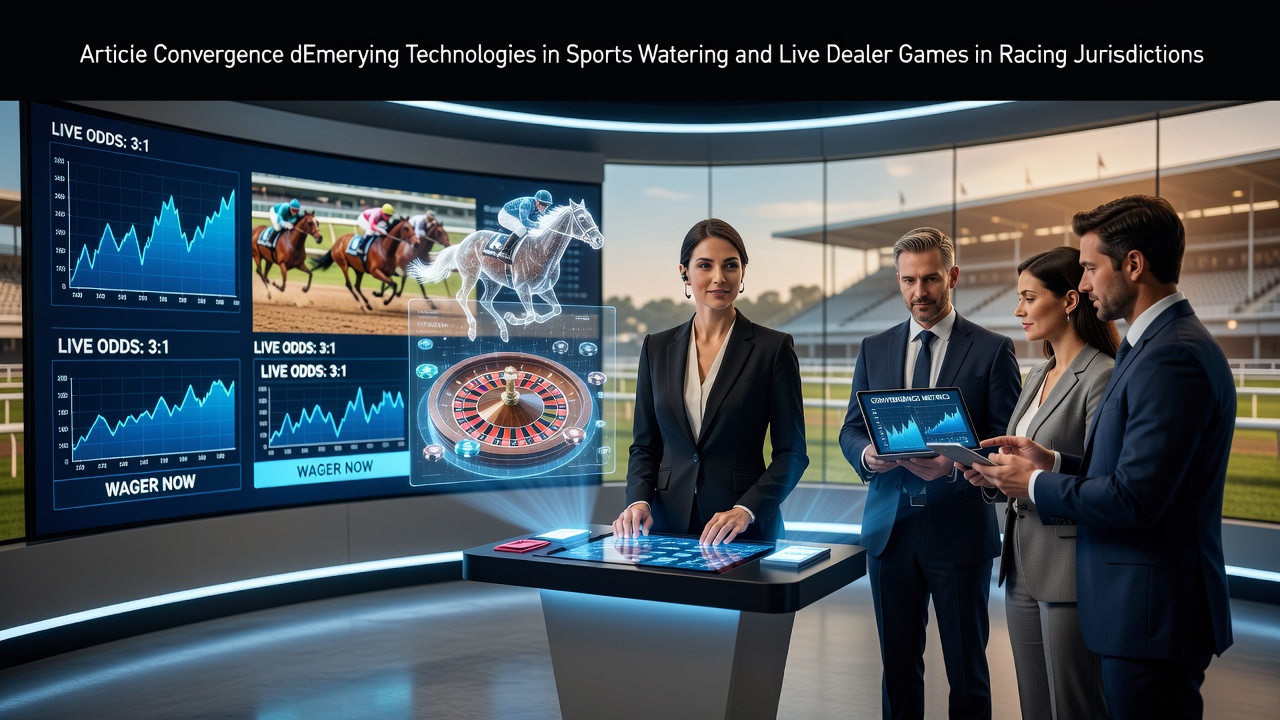
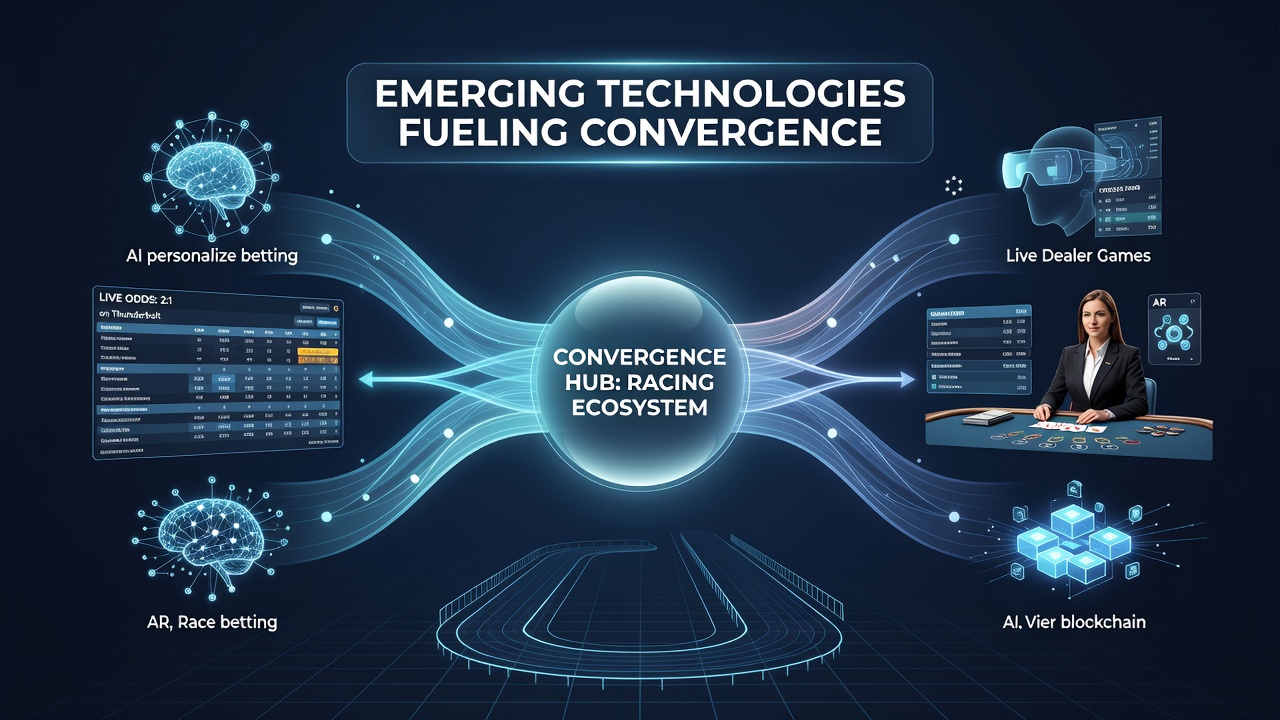
Emerging technologies continue to reshape how sports wagering connects with live dealer games inside established racing jurisdictions where horse and greyhound events form the core of legal betting activity. Platforms now combine real-time race data with interactive table games that stream from centralized studios, and operators achieve this through low-latency networks, artificial intelligence, and distributed ledger systems that handle both pari-mutuel pools and fixed-odds wagers on the same account.
Blockchain Systems Secure Cross-Product Betting
Distributed ledger technology records every transaction from race bets to live dealer wagers in immutable blocks, which reduces settlement times from minutes to seconds while meeting audit requirements set by state and provincial regulators. Racing authorities in several North American and Australian jurisdictions have adopted permissioned chains that allow oversight bodies to verify payout integrity without exposing personal player data. One industry report released in early 2026 showed that blockchain-linked wallets now process over thirty percent of combined race and table-game volume in licensed markets, and figures from the Pennsylvania Gaming Control Board confirm similar growth patterns among multi-product operators.
Artificial Intelligence Drives Real-Time Personalization
Machine-learning models analyze historical race results alongside live dealer session data to generate tailored promotions that appear on the same screen during an event. These systems predict which users are likely to switch from a thoroughbred race to a blackjack table within the same betting session, then adjust odds displays and game invites accordingly. Observers note that the algorithms also flag unusual betting patterns across both products, which helps compliance teams meet responsible-gambling mandates without interrupting play flow. Research published by the University of Nevada Reno gaming laboratory indicates that AI-assisted interfaces have increased session duration by an average of eighteen percent in integrated racing environments during the first half of 2026.
5G Networks and Immersive Streaming Enable Live Convergence
High-speed mobile connections deliver simultaneous video feeds of track action and dealer tables with sub-second delay, allowing bettors to place a wager on an upcoming race while participating in a live roulette spin. Augmented-reality overlays now appear on mobile devices in several Australian and Canadian racing jurisdictions, showing dynamic odds that update as horses load into the gate and as cards are dealt at the table. Data from the Australian Communications and Media Authority released in August 2026 documented a twenty-seven percent rise in concurrent multi-product sessions among users on 5G handsets compared with earlier network generations. These technical advances have prompted regulators to update latency standards so that live dealer outcomes remain synchronized with race results across state lines.
Regulatory Frameworks Adapt to Combined Offerings
Licensing bodies in racing-focused regions have begun issuing single permits that cover both pari-mutuel wagering and live dealer operations, provided operators maintain separate risk-management protocols for each product type. In August 2026, several Canadian provinces updated their digital-gaming regulations to require unified age-verification systems that apply equally to race-day bets and streamed table games. Industry associations such as the International Association of Gaming Regulators have published model rules that address data-sharing between track tote systems and casino management platforms while preserving jurisdictional boundaries. These coordinated approaches reduce duplication for operators yet maintain distinct taxation streams for racing versus casino revenue.
Case Examples from Active Markets
Take one operator licensed in both Kentucky and New Jersey that launched a unified app in spring 2026; the platform lets users follow Churchill Downs races while accessing live dealer baccarat during race intervals, and transaction logs show seamless movement of funds between the two verticals. Similar products have appeared in Victoria, Australia, where state legislation permits combined wagering on thoroughbred events and streamed table games through approved apps. Data collected by the Victorian Commission for Gambling and Liquor Regulation shows that average daily active users increased steadily after these integrations went live, with the largest gains occurring among mobile-only participants.
Conclusion
Technological developments in blockchain, artificial intelligence, and high-speed connectivity continue to support the technical and regulatory conditions required for sports wagering and live dealer games to operate side by side within racing jurisdictions. Market data through August 2026 indicates sustained adoption across multiple continents, while updated licensing structures aim to balance innovation with oversight. The same infrastructure that delivers real-time race information now supports dealer streams, creating operational efficiencies that regulators and operators track through shared reporting standards.