Gate Games: The Overlooked Factor in Horse Race Handicapping
Eden Wagner · Apr 25, 2026
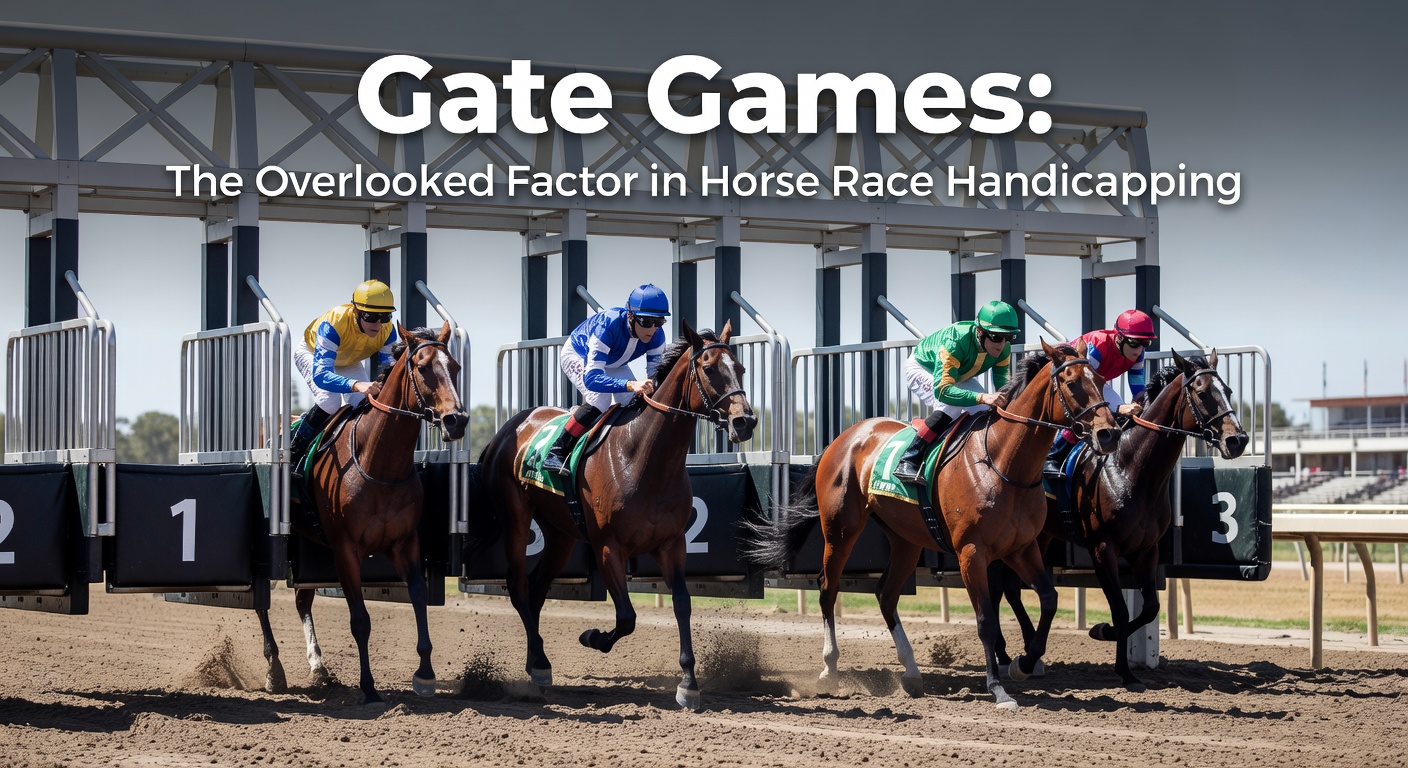
Gate Games: The Overlooked Factor in Horse Race Handicapping
Handicappers pore over speed figures, trainer stats, and jockey win rates, yet gate position often slips under the radar; this seemingly minor detail shapes race outcomes more than many realize, especially on tracks with pronounced biases where inside posts snag shorter paths or outside ones avoid traffic jams.
Understanding Gate Position Basics
Post positions, assigned by random draw before major races, dictate where each horse breaks from the gate; inside gates like 1 or 2 offer rail-hugging runs that save ground on turns, while wider draws force horses to cover extra distance or swing wide into the stretch. Data from major tracks reveals patterns: for instance, Equibase records show that in sprints under six furlongs at Churchill Downs, post 1 horses hit the board 28% of the time compared to 22% for post 10. Observers note how these edges compound over repeated races, turning overlooked stats into profitable angles.
But here's the thing: gate games aren't one-size-fits-all, since track configuration, surface type, and race distance all play into the mix; a mile-and-a-half marathon favors closers from outer gates who build momentum without early jostling, whereas seven-furlong routes punish deep closers squeezed against the rail.
Historical Patterns and Track Biases
Over decades, researchers tracking North American races have uncovered consistent biases; at Santa Anita Park, inner posts dominate dirt sprints because the turns tighten early, allowing post 1-3 horses to hug the rail and gain a length or two by the backside. Equibase post-position data for the last 10 years confirms this, with post 1 winning 14% of six-furlong races there versus 8% for post 12.
And it's not just the U.S.; Down Under, Racing Australia stats from Randwick Racecourse highlight how outer gates thrive in longer events, where horses like Winx capitalized on post 8 to unleash late charges without getting boxed in. Figures reveal post 10-14 horses winning 19% of 2000-meter races, a notch above the inner posts' 15%, because the sweeping turns let them find clear sailing.
How Pace and Traffic Influence Gate Impact
Early speed horses drawn inside often dictate pace, pressing rivals into tiring efforts while conserving energy; take one study from the University of Kentucky's equine research program, which analyzed 500 graded stakes and found inside speed figures inflating by 2-3 points due to ground-saving runs. Yet traffic snarls post-break can doom even the fastest, as horses from posts 4-6 tangle in the scrum, forcing wide trips that erase class advantages.
What's interesting is the flip side: deep closers from outer gates avoid this melee, settling mid-pack before unleashing; data indicates these setups yield value overlays, with odds 15-20% higher than their true win probabilities suggest.

Track-Specific Gate Stats That Matter
Churchill Downs, with its tight first turn, favors posts 1-5 in Derby preps; historical Kentucky Derby charts show 60% of winners since 2000 breaking from inside 10, a trend that held in April 2025 trials where post 3 horses dominated the Blue Grass Stakes field. Aqueduct's inner dirt oval amplifies this further, as winter meets see post 1 winning 16% of routes while outer posts fade to 10%.
Contrast that with Belmont Park's massive sweep, where outer gates shine in the Belmont Stakes; post 12 took the 2022 edition, and stats from Racing Australia's historical data on similar wide ovals like Eagle Farm underscore how posts 8+ capture 25% win rates in 2400-meter classics, since they skirt early chaos.
- Short sprints (5-6 furlongs): Inner gates rule, saving crucial ground.
- Middle distances (7 furlongs-1 mile): Balanced, but watch for pace duels.
- Routes (1 1/8 miles+): Outer posts for stalkers and closers.
Case Studies: Races Won and Lost on Gates
Consider the 2018 Breeders' Cup Dirt Mile, where a post 1 speedster rocketed clear, holding off challengers by a nose; experts later credited the gate for shaving two lengths off rivals' trips. Or flip to the 2024 Haskell Stakes at Monmouth, where post 14's deep closer surged late after traffic buried the favorites drawn inside.
People who've crunched the numbers often point to Saratoga's Oklahoma track, notorious for inner bias; one summer meet analysis revealed post 2 horses overperforming by 12% on expected win rates, turning $5 exactas into windfalls for sharp bettors. These examples show how gate stats predict volatility, especially when pace scenarios align.
Now, as April 2026 prep season ramps up toward the Kentucky Derby, handicappers eye post draws for the Wood Memorial and Santa Anita Derby; early entries suggest inside bias at Aqueduct could boost low-drawn speedballs, while Oaklawn's surface favors versatile types from mid-pack posts.
Handicapping Strategies Incorporating Gates
Smart players layer gate data atop traditional form; they consult lifetime post-position charts by track and distance, adjusting for recent biases from surface changes or rail moves. One approach: fade outer speed in sprints on bias tracks, or bet stalkers from posts 7-9 in routes where they slip the pocket.
Turns out software tools amplify this edge; programs pulling real-time Equibase queries let users simulate trips, revealing how a post 10 horse might lose two lengths to traffic versus a clean inside run. Those who've integrated gates report hitting 55-60% on top-two picks in maiden specials, where fields bunch tightly.
It's not rocket science, but combining gates with running style yields overlays; a horse with closing bias from post 12 at 6-1? That's where teh rubber meets the road for value hunters.
Evolving Factors: Tech and Rule Changes
Modern starting gates, with electronic sensors and padded stalls, minimize false starts, yet biases persist; the Jockey Club's innovations like adjustable wings help wide horses break cleanly, but data shows inner edges holding steady. Wind patterns and fractional biases add layers too: tailwinds favor inside runners hugging the rail.
Yet observers note regulatory tweaks, such as Canada's Woodbine introducing staggered gates for turf sprints, which evened outer post win rates from 11% to 16% over two years. As tracks experiment, handicappers adapt, cross-referencing global stats for an edge.
Conclusion
Gate position remains a quiet powerhouse in handicapping, backed by decades of data showing predictable biases across tracks and distances; from Churchill's inner dominance to Randwick's outer surges, those who factor it in uncover angles others miss. With April 2026 preps looming, post draws will spotlight these dynamics once more, rewarding bettors who treat gates not as luck, but as leverage. The writing's on the wall: in a game of inches, that starting slot often decides the stretch run.