Decoding Technical Standards Behind Cross-Platform Synchronization of Equine Odds Feeds and Digital Wheel Simulations
Eden Wagner · Aug 19, 2026
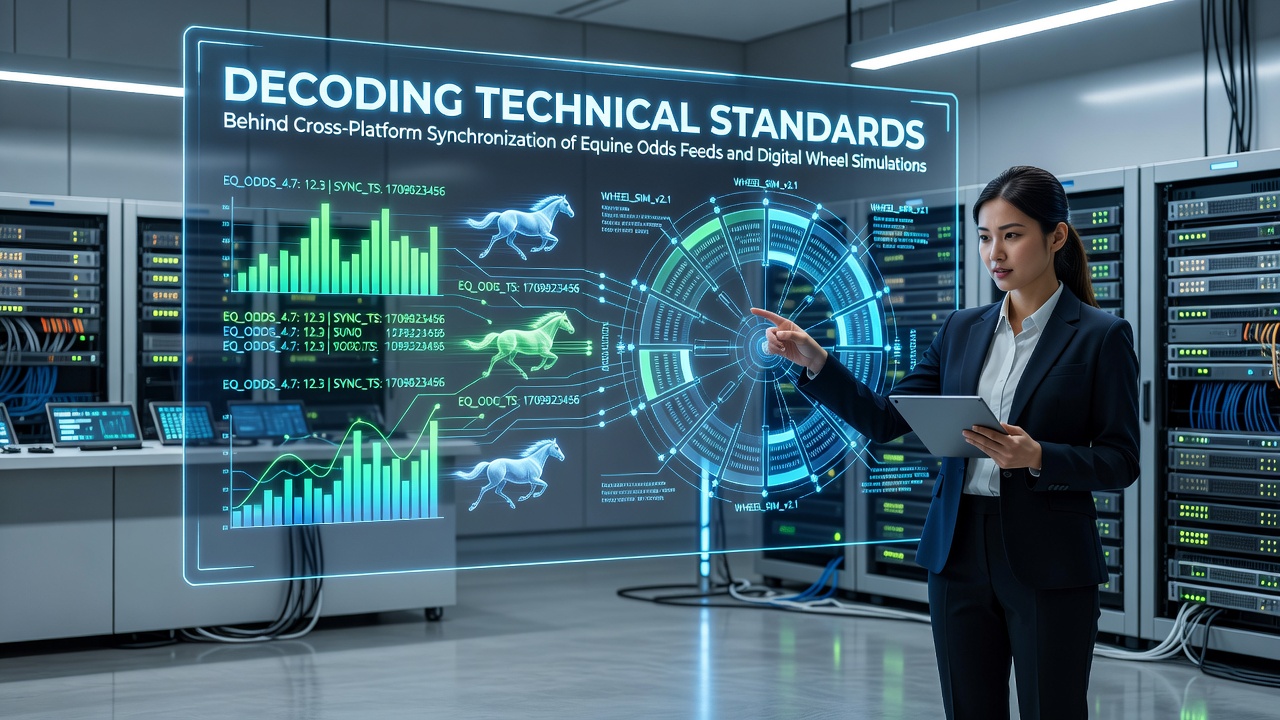
Decoding Technical Standards Behind Cross-Platform Synchronization of Equine Odds Feeds and Digital Wheel Simulations
Cross-platform synchronization of equine odds feeds and digital wheel simulations relies on standardized protocols that ensure real-time data consistency across multiple betting environments, and these systems have evolved significantly by August 2026 as operators integrate legacy horse racing data streams with simulated casino mechanics. Research from industry bodies shows that equine odds feeds typically transmit structured data packets containing runner identifiers, probability calculations, and liquidity markers while digital wheel simulations depend on certified random number generators that must align with external feeds to prevent discrepancies in hybrid betting products.
Core Data Exchange Formats
Standards organizations such as the International Organization for Standardization define XML and JSON schemas that equine odds providers use to structure incoming race data, whereas digital wheel platforms require additional layers for outcome mapping and state replication. Observers note that equine feeds often incorporate timestamped updates every 200 milliseconds during live events, and synchronization engines match these timestamps against wheel simulation cycles that operate on fixed interval triggers calibrated to regulatory RNG certifications. Data indicates that mismatches in these formats can trigger reconciliation routines which pull secondary sources to restore parity without interrupting user sessions.
Protocol Layers and Timing Mechanisms
Transmission control protocols combined with message queuing services handle the heavy lifting for cross-platform exchanges, and experts have observed that equine odds systems frequently employ AMQP or MQTT brokers to push updates into shared queues that wheel simulation servers subscribe to. These brokers maintain sequence numbers and heartbeat signals which allow platforms to detect packet loss and request retransmissions within sub-second windows. Studies from academic research groups reveal that latency budgets for equine feeds sit around 150 milliseconds end-to-end while wheel simulations demand stricter sub-50 millisecond confirmation loops to keep visual outputs aligned with underlying probability models.
Security and Compliance Layers
Encryption standards including TLS 1.3 and mutual authentication certificates protect both equine odds streams and wheel simulation state data during transit, and regulatory frameworks in regions such as Australia and the European Union require independent audits of these encryption implementations. Those who manage multi-jurisdiction platforms report that audit logs must capture every synchronization event along with cryptographic hashes that verify data integrity across distributed nodes. Figures from technology consortia show adoption rates of hardware security modules rising steadily through mid-2026 as operators seek to meet updated certification requirements for hybrid products.
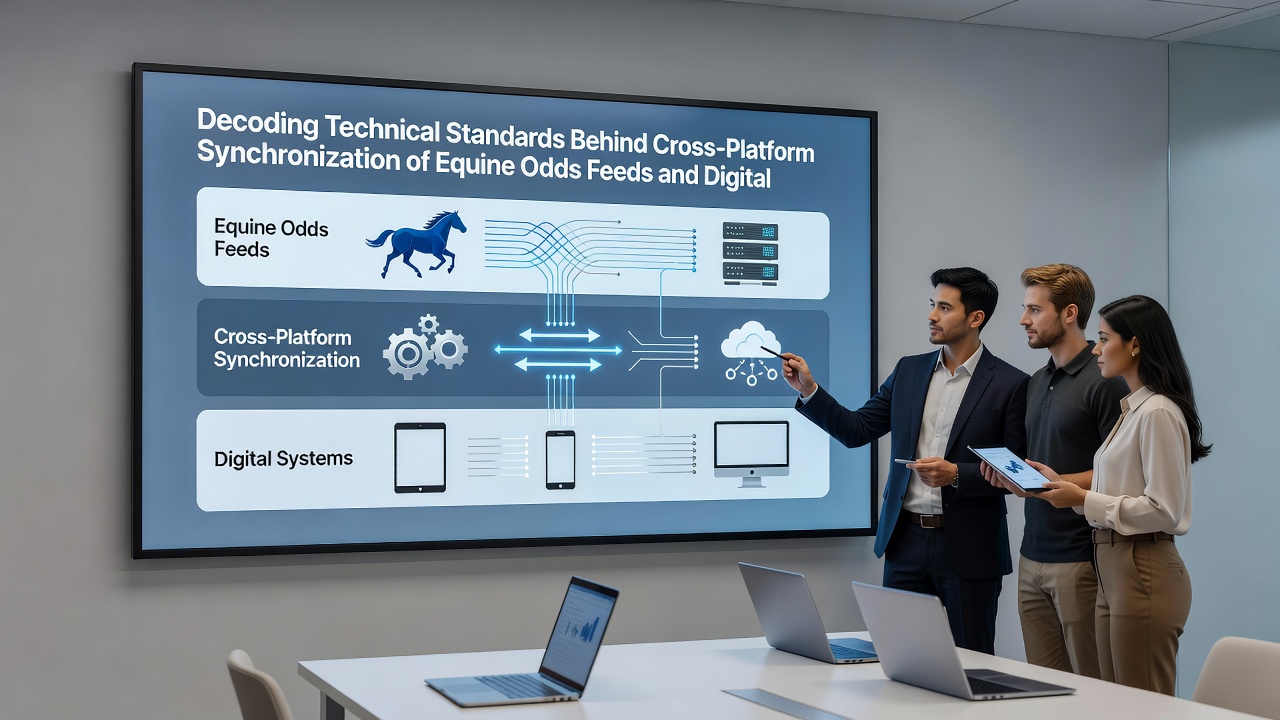
One case examined by researchers involved an operator that integrated Australian thoroughbred odds with European-style wheel simulations and discovered that differing daylight saving adjustments created a 3,600-second drift which the synchronization layer resolved through automated timezone normalization routines. Such examples illustrate how seemingly minor configuration details can affect overall system behavior when platforms span multiple time zones.
Scalability Considerations in Live Environments
Load balancing algorithms distribute incoming equine data across clusters of wheel simulation instances, and capacity planning models factor in peak concurrency during major racing festivals. Metrics collected by infrastructure providers indicate that synchronization throughput can exceed 12,000 messages per second during high-volume periods, with backpressure mechanisms throttling non-critical updates to preserve core betting functionality. Those responsible for platform architecture emphasize the role of container orchestration tools that allow dynamic scaling without breaking active data streams between equine feeds and wheel engines.
Testing and Validation Processes
Automated test suites simulate race outcomes and wheel spins in parallel environments to verify that synchronized states remain consistent under stress conditions, and validation frameworks compare final result sets against independent reference implementations. Data collected during these tests shows that error rates drop below 0.02 percent when checksum verification and sequence validation run continuously. Operators in North America and Asia-Pacific markets have adopted similar testing cadences that align with quarterly certification cycles required by local gaming authorities.
Conclusion
Technical standards governing equine odds feeds and digital wheel simulations continue to converge around shared protocols for data formatting, timing, security, and scalability, and ongoing developments through August 2026 reflect broader industry movement toward unified platforms. Regulatory bodies across multiple continents maintain oversight through certification requirements that emphasize verifiable synchronization accuracy, while technology providers refine the underlying infrastructure to support increasing volumes of hybrid betting activity.