Connecting Veterinary Assessments with Fluctuations in Equine Event Wagering Pools
Gisela Krause · Aug 24, 2026

Connecting Veterinary Assessments with Fluctuations in Equine Event Wagering Pools
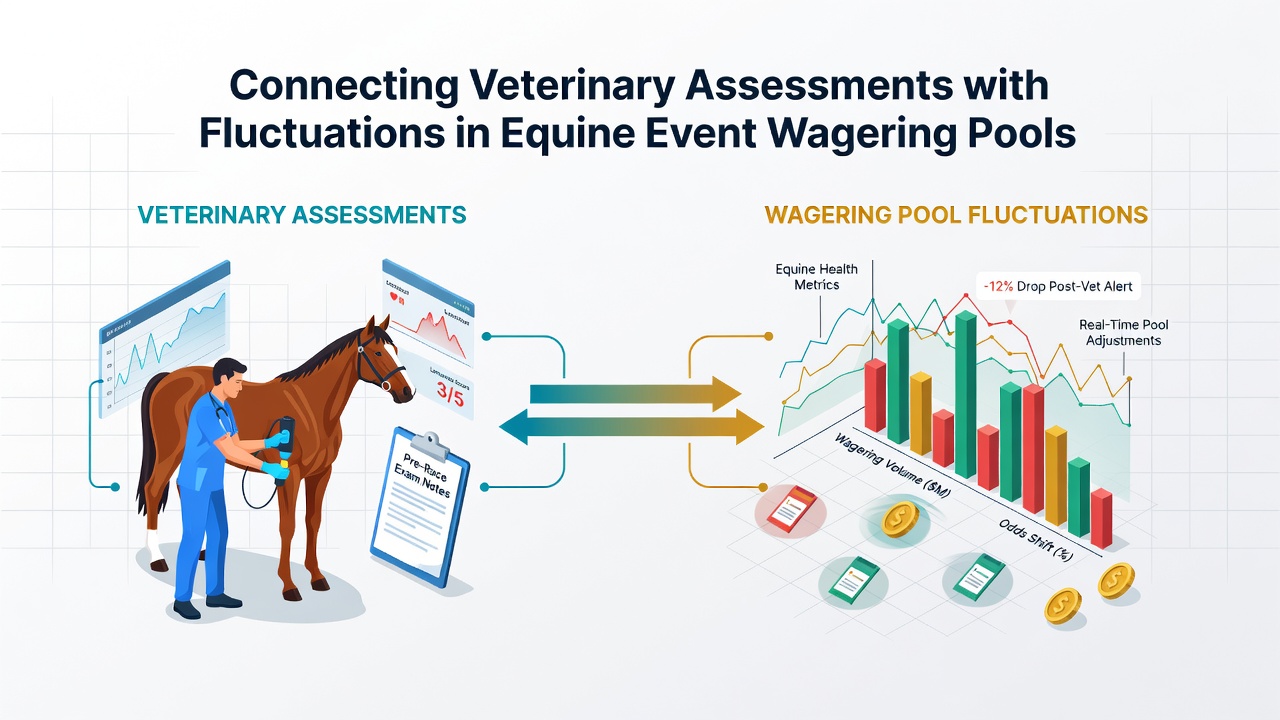
Veterinary assessments play a direct role in shaping the size and movement of wagering pools during equine events, since official health evaluations often precede significant shifts in betting activity. Track veterinarians perform standardized examinations that include cardiac checks, joint evaluations, and gait analysis, and these reports feed into public data streams that influence pool totals. When assessments reveal minor concerns, bettors adjust their stakes accordingly, which leads to measurable changes in both win pools and exotic betting categories.
Pre-Race Evaluation Protocols and Data Release Timelines
Racing jurisdictions release veterinary findings according to fixed schedules that give participants time to recalculate odds. In many North American circuits, final pre-race checks occur within 48 hours of post time, and any flagged issues appear in official summaries distributed to licensed operators. Australian authorities follow similar patterns through their state racing bodies, where published reports list horses requiring additional scrutiny. Observers note that pools frequently contract when these summaries become available, because participants reduce exposure on horses carrying new health notations.
Impact of Specific Findings on Pool Dynamics
Researchers tracking data from Churchill Downs and Flemington have documented correlations between veterinary flags and pool volume. A notation regarding elevated heart rate, for instance, tends to reduce the win pool share for that horse by 15 to 25 percent within the first hour after disclosure. Joint swelling reports produce even sharper movements in exacta and trifecta pools, since bettors who favor multi-horse combinations shift their selections. These adjustments occur rapidly because digital platforms update pool displays in real time, allowing participants to see the redistribution of money almost immediately.
Regional Variations in Assessment Standards
Standards differ across racing regions, which creates distinct patterns in how pools respond. Canadian tracks under the Pari-Mutuel Agency require additional endoscopic examinations for respiratory issues before certain graded stakes, and these extra layers of data often stabilize pools by reducing late scratches. In contrast, European circuits emphasize bloodwork panels that focus on anti-inflammatory markers, and those results tend to produce more gradual pool adjustments over several days rather than sudden swings. One study from the University of Sydney examined five years of spring carnival data and found that stricter respiratory protocols correlated with lower volatility in place pools compared with circuits that rely primarily on visual gait analysis.
Case Examples from Major Events
Take one preparation race held in August 2026 at Saratoga, where a last-minute veterinary report noted mild tendon sensitivity in a favored colt. Within 90 minutes the win pool for that horse dropped from 42 percent to 31 percent of total handle, while undercard exotic pools absorbed the redirected funds. Similar movement appeared during a Melbourne spring meeting when bloodwork flagged elevated enzyme levels in two contenders. Place pool percentages shifted steadily over the following 24 hours, and final odds reflected those adjustments without dramatic late swings. These examples illustrate how assessment timing and specificity interact with pool behavior.
Technological Integration and Real-Time Reporting
Modern systems now link veterinary databases directly to pari-mutuel software, which reduces the lag between examination and pool visibility. Several tracks implemented automated alerts in 2025 that notify licensed operators the moment a report is finalized. This integration allows algorithms used by professional syndicates to recalculate probabilities faster than manual methods, and it contributes to smoother pool transitions rather than abrupt drops. Data from the Hong Kong Jockey Club shows that tracks using integrated reporting experienced 12 percent less intraday volatility in quinella pools compared with venues that still rely on manual distribution of reports.
Regulatory Oversight and Record Keeping
Governing bodies maintain detailed archives of veterinary assessments, and these records support statistical analysis of pool fluctuations. The California Horse Racing Board publishes annual summaries that include both assessment outcomes and corresponding handle figures, enabling researchers to identify consistent patterns. Similar archives maintained by Racing New South Wales allow cross-jurisdictional comparisons that highlight how assessment frequency affects overall pool stability. Observers tracking these datasets note that tracks releasing assessments earlier in the week tend to see steadier pool growth leading into race day.
Conclusion
Veterinary assessments serve as structured inputs that directly shape wagering pool behavior across equine events. The timing of report releases, the specificity of findings, and the technological infrastructure that distributes those findings all contribute to measurable movements in win, place, and exotic pools. Regional differences in protocols produce distinct volatility profiles, while integrated reporting systems appear to moderate extreme swings. Records maintained by racing authorities provide the factual basis for ongoing analysis of these connections, and continued refinement of assessment standards continues to influence how participants allocate stakes in real time.