Artificial Intelligence Applications in Optimizing Multi-Leg Racing Wager Calculations
Gisela Krause · Jun 15, 2026
Artificial Intelligence Applications in Optimizing Multi-Leg Racing Wager Calculations
Multi-leg racing wagers combine multiple outcomes across races or within single events, creating thousands of potential combinations that demand precise probability assessments and stake allocations. Traditional calculation methods often struggle with the volume of variables involved, including horse form, track conditions, jockey statistics, and payout structures. Researchers have turned to artificial intelligence systems to handle these layers of complexity through pattern recognition and predictive modeling that process data at scale.
Core Mechanics Behind Multi-Leg Wager Structures
Bet types such as trifectas, superfectas, pick fours, and daily doubles require bettors to select finishing orders or winners across sequential races, and each selection multiplies the number of possible tickets exponentially. Data from pari-mutuel pools shows that even modest increases in field size push the total permutations into six or seven figures, rendering manual or basic spreadsheet approaches impractical for real-time adjustments. Observers note that these structures reward systems capable of rapid recalculation when late scratches or odds shifts occur.
AI Methods Applied to Probability and Optimization
Machine learning models trained on historical race results identify correlations between variables that influence multi-leg outcomes, while reinforcement learning algorithms test stake distributions across simulated scenarios to maximize expected value under bankroll constraints. Neural networks further refine predictions by incorporating unstructured inputs like weather forecasts and social media sentiment around trainers. Studies indicate these approaches reduce computation time from hours to seconds compared with exhaustive enumeration techniques.
Integration with Live Data Feeds and Simulation Engines
Modern platforms connect AI engines directly to tote systems and timing sensors, allowing continuous updates to probability matrices as new information arrives. Monte Carlo simulations run thousands of race iterations in parallel, factoring in pace scenarios and traffic patterns that affect multi-leg payouts. Experts have observed that such integration proves especially useful during major meets where pool sizes fluctuate rapidly. One study revealed that operators using these tools recorded measurable improvements in ticket structuring efficiency during peak periods.
Developments Observed Through Mid-2026
By June 2026, several North American and Australian racing jurisdictions reported expanded deployment of AI-driven wager engines, particularly for exotic bet types that previously relied on static odds tables. Regulatory filings show increased collaboration between technology providers and track operators to ensure compliance with transparency requirements around algorithmic outputs. Data from the Australian Gambling Research Centre highlights how these systems handle cross-border pool merges without introducing latency in final calculations. Meanwhile, academic teams at institutions in Canada have published preliminary findings on graph neural networks applied to pedigree and surface transition data.
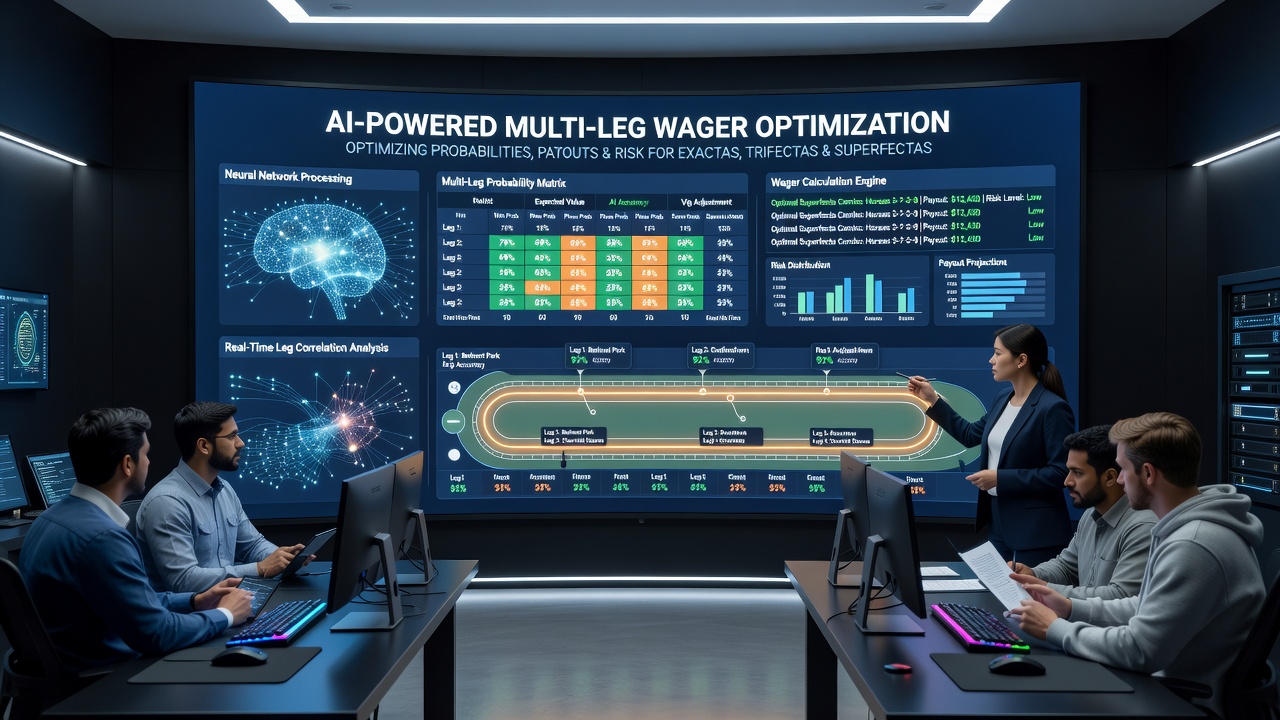
What's interesting is how these tools also assist in identifying value within correlated outcomes across different tracks running simultaneously. Algorithms detect when one race's result statistically influences another through shared variables like trainer patterns or regional weather systems. This capability extends beyond single-meet events into larger tournament-style wagering formats that span multiple days.
Regulatory and Operational Considerations
Authorities in various regions require documentation of how AI models arrive at recommended wager allocations, leading developers to incorporate explainability modules that trace decision paths back to specific input features. Reports issued by the National Council on Problem Gambling emphasize the need for audit trails when automated systems influence large pool distributions. Industry groups continue to refine standards around data privacy and model validation to align with evolving oversight frameworks.
Conclusion
Artificial intelligence continues to reshape the computational backbone of multi-leg racing wagers by delivering faster, more adaptive solutions to probability and allocation challenges. As datasets grow and algorithms mature, operators and bettors alike gain access to structured approaches that account for dynamic conditions across races and venues. The trajectory through 2026 points toward deeper integration of these technologies within existing pari-mutuel infrastructures, provided regulatory and technical safeguards keep pace with deployment speed.